
 White Ware
  Decoration
 Reactive glaze is a captivating finishing technique used on porcelain tableware, where metallic oxides chemically react during high-temperature firing to create one-of-a-kind color shifts and organic patterns on every piece. This process delivers an artisanal, handcrafted aesthetic that’s increasingly popular in modern hospitality settings for its depth and visual intrigue. No two items are identical, making it a standout choice for dinnerware that elevates dining experiences.
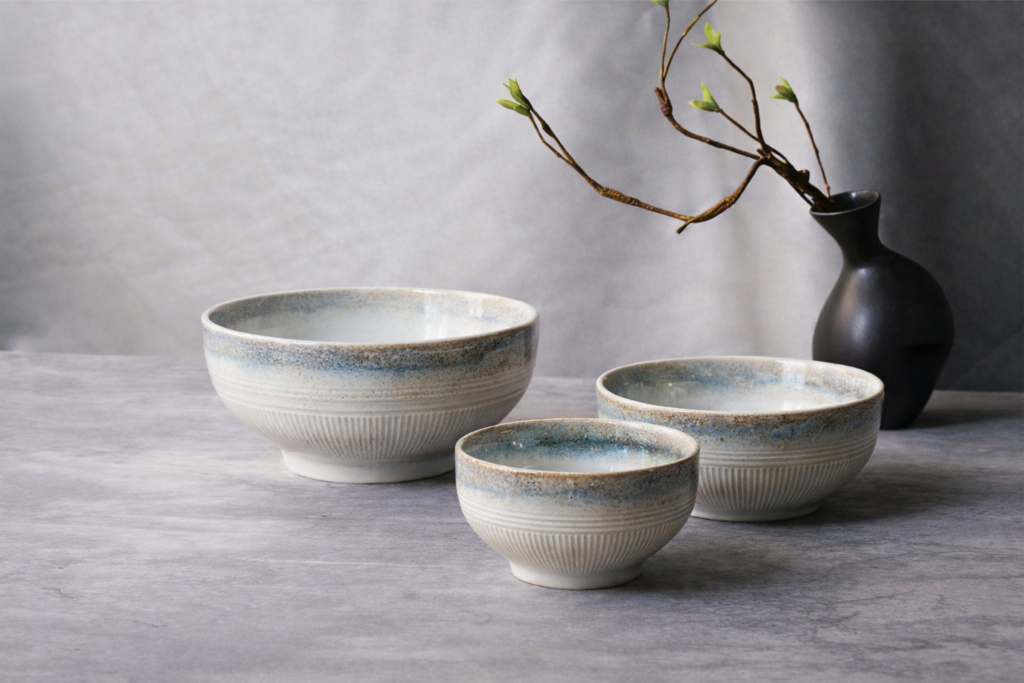
How Reactive Glaze Works
The magic happens in the kiln at temperatures around 1,200–1,400°C, where oxides like copper, cobalt, iron, or titanium interact with the porcelain’s silica-based body and fluctuating oxygen levels. These reactions cause hues to morph—blues might deepen into purples, silvers expand into shimmering golds, or earthy tones flow into crystalline textures—resulting in fluid, marble-like effects.
Porcelain’s dense, vitrified surface is ideal for reactive glazes because it allows the glaze to bond tightly without cracking, while highlighting the material’s subtle translucency. This contrasts with less durable bodies, ensuring longevity in professional use.
Benefits for Hospitality Tableware
Reactive glazes offer more than aesthetics; they enhance perceived value with a premium, custom look at standard production costs. The layered depth resists fading over time, and modern formulations make pieces stackable and chip-resistant for high-volume restaurants.
They’re also versatile for design trends, from minimalist matte flows to bold crystalline accents, aligning with 2026’s focus on sustainable, expressive tableware that stands out in upscale dining.
Reactive Glaze vs. Traditional Glazes
| Aspect | Reactive Glaze | Traditional Glaze |
|---|---|---|
| Appearance | Unique patterns per piece, organic flow | Uniform, consistent color |
| Production Process | Chemical reactions in firing | Fixed pigments, predictable results |
| Durability | High heat/scratch resistance on porcelain | Good, but less depth and vibrancy |
| Aesthetic Appeal | Artisanal, dynamic | Clean, classic |
Care and Maintenance Tips
- What is reactive glaze tableware? High-fired porcelain with reactive metallic finishes for exclusive, ever-changing designs.
- Is reactive glaze dishwasher safe? Yes, most are commercial-grade, but top-rack placement preserves vibrancy.
- How to clean reactive glaze dinnerware? Hand-wash with mild soap for best results; avoid abrasives and extreme temperature swings.
- Can it go in the microwave? Microwave-safe, but test for metal oxide sensitivity to prevent arcing.