
 White Ware
  Decoration
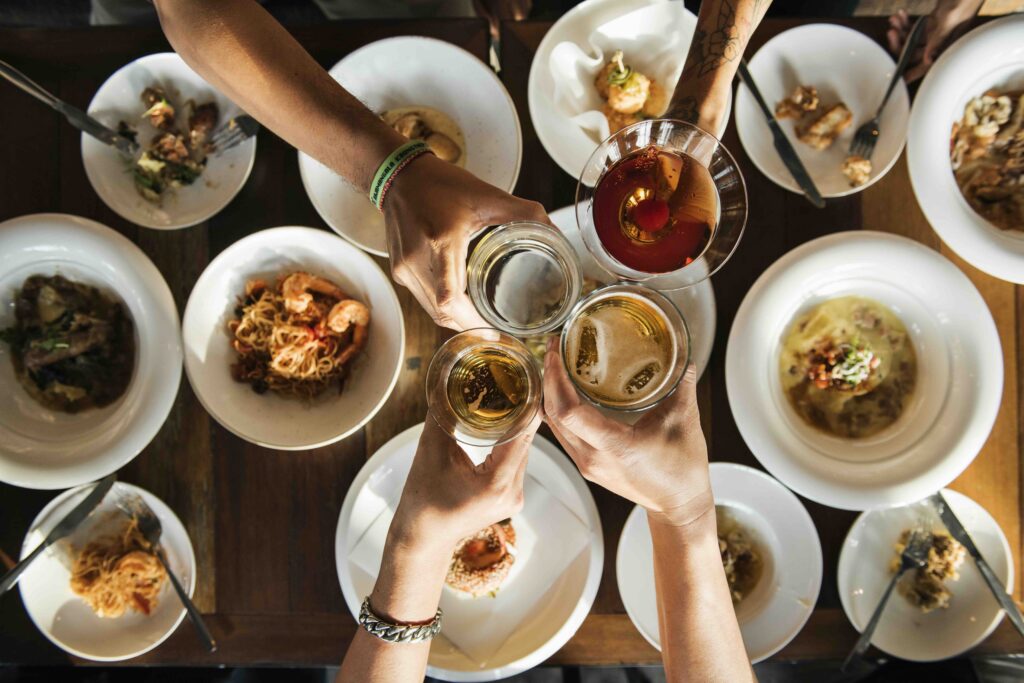
 In the past, dining out was primarily about satisfying hunger or enjoying a well-prepared meal. Today, however, restaurants around the world are evolving beyond the traditional concept of serving food. Increasingly, they are designing complete experiences that engage guests emotionally and sensorially.
This approach, widely known as experiential dining, transforms a simple meal into a memorable event. Through carefully curated environments, storytelling menus, and thoughtful presentation, restaurants create moments that guests remember long after the final course.
As competition in the hospitality industry grows, experiential dining has become one of the most important strategies for restaurants seeking to stand out in a crowded market.
What Is Experiential Dining?
Experiential dining refers to restaurant concepts that emphasize the overall dining journey rather than just the food itself. While culinary quality remains essential, the experience also incorporates elements such as atmosphere, design, service interaction, and visual presentation.
Rather than viewing a meal as a sequence of dishes, experiential dining treats the entire visit as a cohesive narrative.
Several elements often define this approach:
- immersive interior design
- curated lighting and music
- interactive or personalized service
- visually striking food presentation
- storytelling through menus or chef interaction
When these elements are combined successfully, they create a multi-sensory environment that deepens the guest’s connection with the restaurant.
Why Experiential Dining Is Growing
The rise of experiential dining reflects broader changes in consumer behavior and lifestyle. Today’s diners often seek experiences that feel unique, memorable, and meaningful.
➜ Dining as a Social Experience
Restaurants have long been places where people gather to celebrate milestones, meet friends, or conduct business discussions. However, modern diners increasingly look for experiences that feel special and distinctive.
A beautifully designed space, an unexpected dish presentation, or a thoughtful service gesture can turn a regular dinner into something worth remembering.
➜ The Influence of Social Media
Visual storytelling has become an important part of dining culture. Platforms such as Instagram and TikTok encourage diners to share experiences that are visually compelling.
Restaurants that focus on experiential dining often create moments designed to surprise and delight guests—whether through dramatic plating, theatrical serving techniques, or unique table settings.
These moments naturally translate into shareable images and stories online, extending the restaurant’s visibility beyond its physical location.
➜ Emotional Engagement
Beyond visual appeal, experiential dining also fosters emotional engagement. Guests enjoy learning about the origins of ingredients, the inspiration behind a dish, or the philosophy guiding a chef’s culinary style.
This storytelling element transforms dining into a personal and meaningful experience rather than simply a transaction.
The Role of Restaurant Design
Interior design is one of the most powerful tools for shaping the dining experience. The colors, materials, lighting, and spatial layout of a restaurant influence how guests feel as soon as they enter the space.
Modern restaurant design often prioritizes:
- warm, comfortable lighting
- natural textures such as wood or stone
- open kitchen concepts
- carefully spaced seating arrangements
These design choices help create an environment where guests feel relaxed and immersed in the dining experience.
Some restaurants even develop design themes that align with their culinary concept. A seafood-focused restaurant may incorporate coastal elements, while a modern fine dining establishment might adopt minimalist architecture that highlights the artistry of each dish.
Food Presentation as Culinary Art
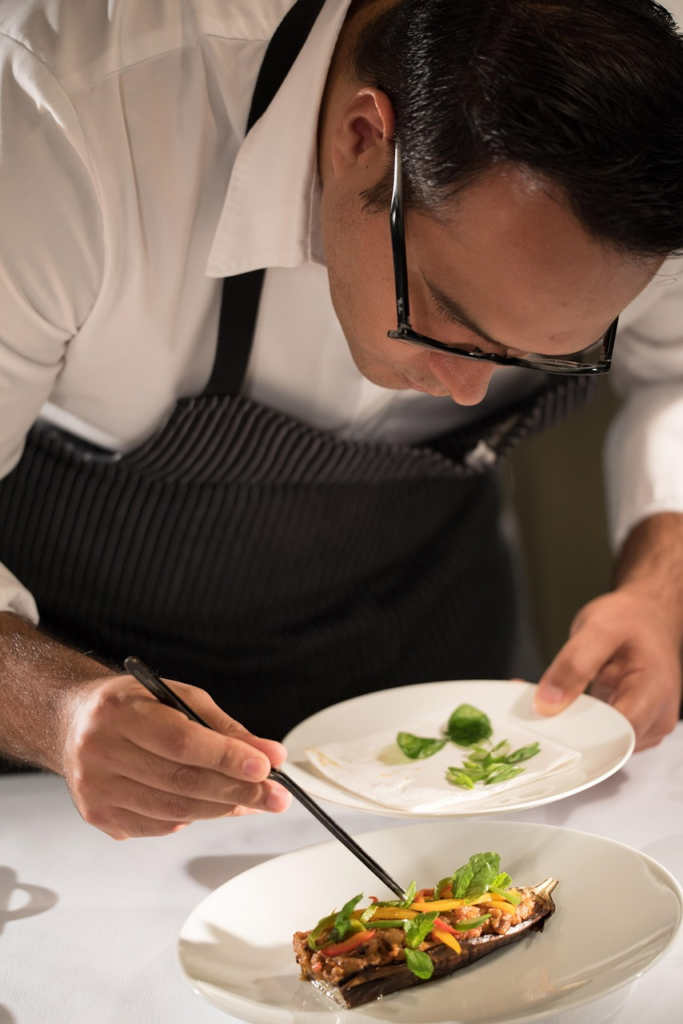
One of the most distinctive aspects of experiential dining is the growing emphasis on food presentation.
In contemporary restaurants, plating is often treated as an extension of culinary creativity. Chefs carefully arrange ingredients to highlight color contrasts, textures, and shapes, creating compositions that resemble works of art.
The use of negative space on a plate, for example, can emphasize the main ingredient and guide the diner’s eye toward the focal point of the dish.
Presentation also influences expectations. Before tasting the food, diners form impressions based on how a dish looks. A thoughtfully plated dish can elevate anticipation and make the dining experience feel more refined.
Image by Guillermo Muro from Pixabay
Tableware and the Framing of Cuisine
While ingredients and cooking techniques receive much attention, the role of tableware is often underestimated.
In reality, the plate itself acts as a frame for the chef’s creation. The shape, rim width, color, and surface texture of a plate can influence how a dish is perceived.
For instance:
- wide rims create visual space that highlights the food
- deeper bowls enhance dishes with sauces or broths
- minimalist white plates allow vibrant ingredients to stand out
Professional chefs often select tableware that complements their culinary style. In fine dining, this careful pairing between cuisine and presentation becomes part of the overall restaurant identity.
Service as Part of the Experience
Another defining feature of experiential dining is the role of service.
In traditional restaurants, service primarily focuses on efficiency—taking orders, delivering food, and clearing plates. In experiential dining, service becomes more interactive and engaging.
Servers may describe the story behind each dish, explain unusual ingredients, or guide guests through a tasting menu.
This level of interaction enhances the sense of discovery and makes the meal feel more personal.
The Rise of Chef’s Tables and Open Kitchens
Experiential dining has also encouraged new restaurant formats, such as chef’s tables and open kitchens.
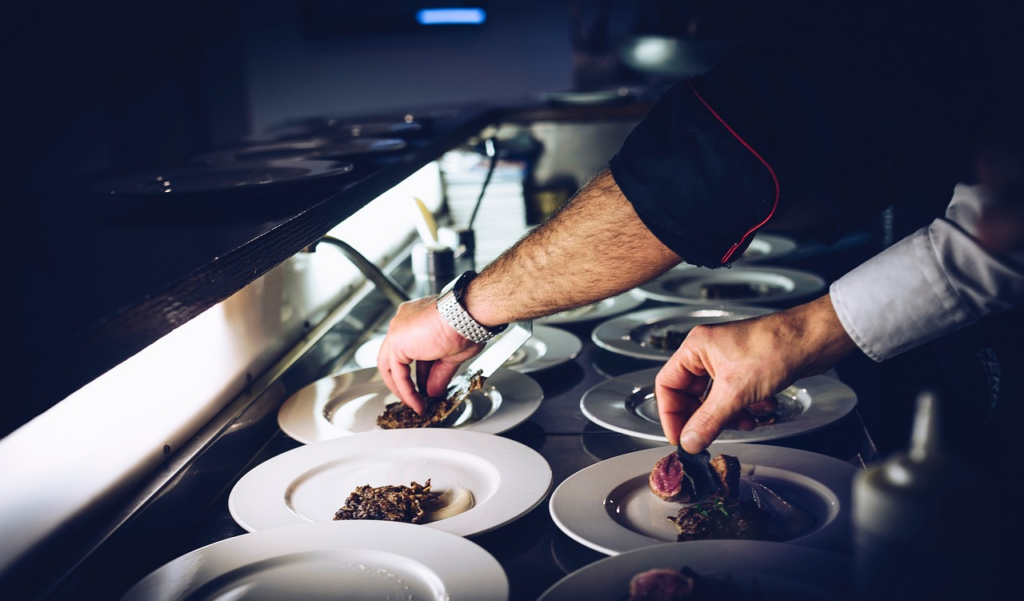
Chef’s tables allow guests to observe culinary preparation up close, often accompanied by direct interaction with the chef. Open kitchens similarly create transparency, allowing diners to witness the precision and craftsmanship involved in each dish.
These concepts strengthen the connection between the guest and the culinary process.
Why Experiential Dining Will Continue to Grow
The hospitality industry continues to evolve in response to changing guest expectations. While excellent food will always remain the foundation of successful restaurants, the surrounding experience has become increasingly important.
Experiential dining addresses several modern desires simultaneously:
- memorable social experiences
- visual storytelling
- emotional engagement
- deeper appreciation for culinary craftsmanship
As diners seek more meaningful and immersive restaurant visits, experiential dining will likely remain a defining trend in global hospitality.
A New Perspective on Dining
Ultimately, experiential dining reflects a broader shift in how people value their time and social experiences. A meal is no longer simply about nourishment—it is an opportunity to connect, celebrate, and explore creativity.
When restaurants successfully combine culinary skill, thoughtful design, attentive service, and artistic presentation, they create moments that linger in memory long after the table is cleared.
And in a world filled with choices, those memorable experiences are what bring guests back again.