
 White Ware
  Decoration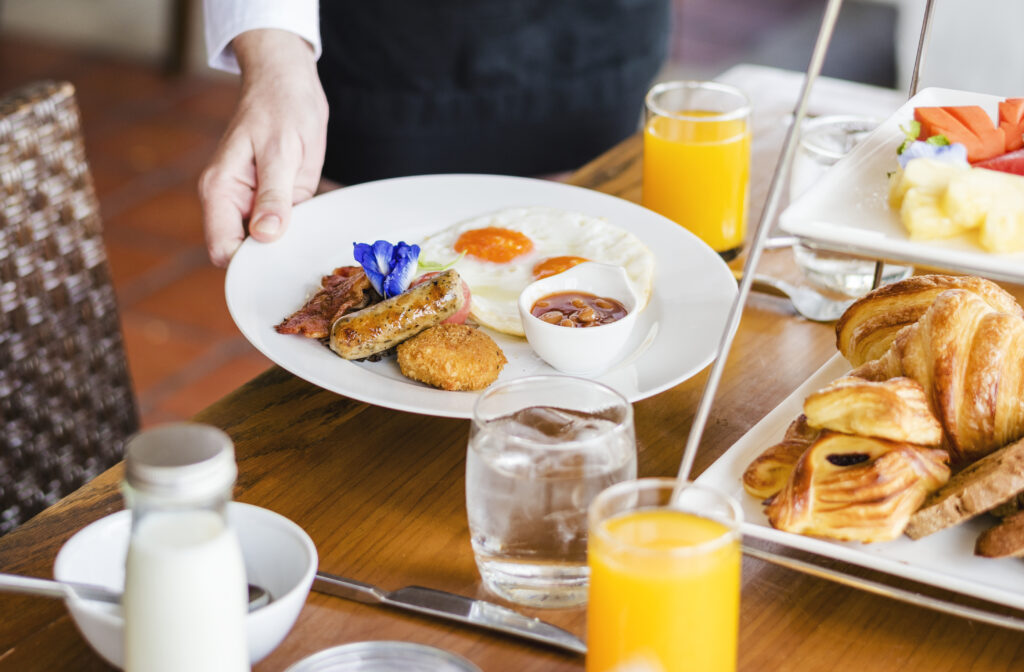
For many travelers, the hotel breakfast buffet is more than just the first meal of the day—it is often the first impression of a hotel’s hospitality. A welcoming breakfast experience can set the tone for the entire stay, influencing how guests remember their visit long after checkout.
Although buffet breakfasts may appear effortless to guests, the reality behind the scenes is far more complex. Designing a successful hotel breakfast buffet requires careful planning, thoughtful menu development, efficient logistics, and a deep understanding of guest expectations.
From early morning kitchen preparations to the final arrangement of serving stations, hospitality teams work meticulously to ensure that every guest begins the day with a satisfying and memorable experience.
The Role of Breakfast in the Hotel Experience
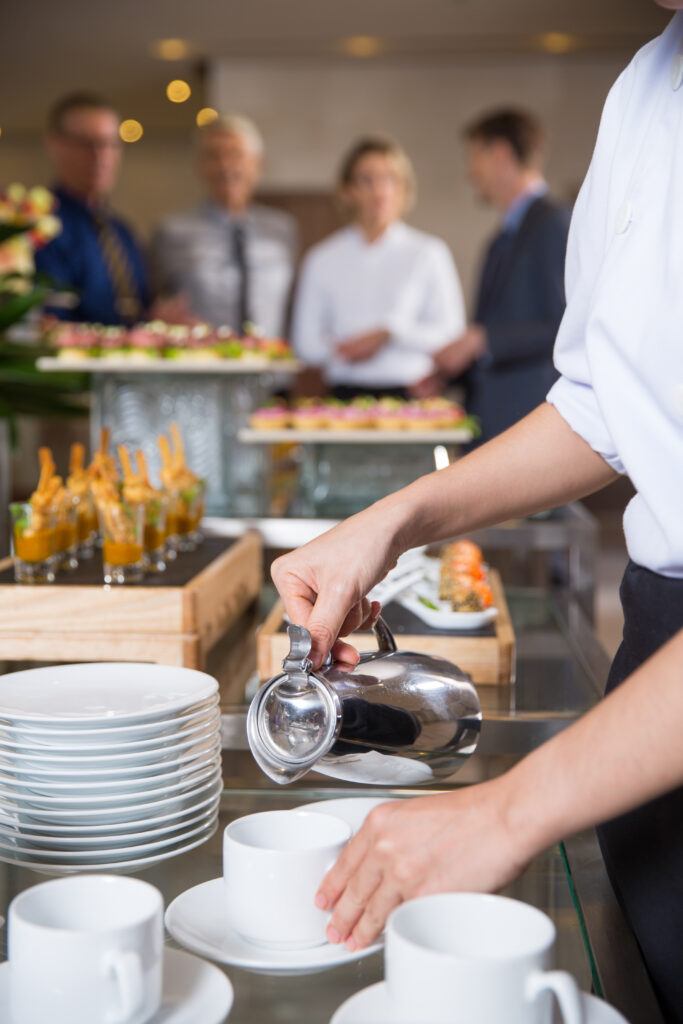
Breakfast service holds a unique place within hotel operations. Unlike lunch or dinner, which guests may choose to enjoy outside the property, breakfast is often consumed within the hotel itself.
For business travelers, it provides a convenient and efficient start to a busy day. For leisure travelers, it offers a relaxed moment to plan sightseeing activities or simply enjoy the morning atmosphere.
Because of this, the breakfast buffet often becomes one of the most highly utilized dining services in a hotel. A well-executed breakfast can significantly enhance overall guest satisfaction and contribute to positive reviews.
Image by katemangostar on Magnific
Designing a Menu That Appeals to Global Travelers
Hotels welcome guests from many different cultural backgrounds, each with distinct breakfast preferences. Creating a buffet that appeals to such a diverse audience is one of the most important challenges for hospitality teams.
Most hotel breakfast buffets aim to balance international favorites with local specialties.
Common buffet components include:
- fresh fruits and juices
- breads, pastries, and cereals
- egg stations prepared to order
- hot dishes such as sausages or potatoes
- yogurt, granola, and healthy options
In addition to these staples, many hotels also introduce regional dishes that reflect the local culinary culture. In Thailand, for example, guests may find items such as rice porridge, stir-fried noodles, or Thai-style omelets alongside Western breakfast classics.
This combination allows international visitors to feel comfortable while also encouraging them to explore local flavors.
Managing High Guest Volume
Breakfast service typically occurs within a limited window of time—often between 6:30 AM and 10:30 AM. During peak hours, hotels may serve hundreds of guests within just a few hours.
To maintain smooth service during this period, operational efficiency is critical.
Hospitality teams carefully plan several elements, including:
- buffet station layout
- food replenishment timing
- kitchen workflow
- staffing coordination
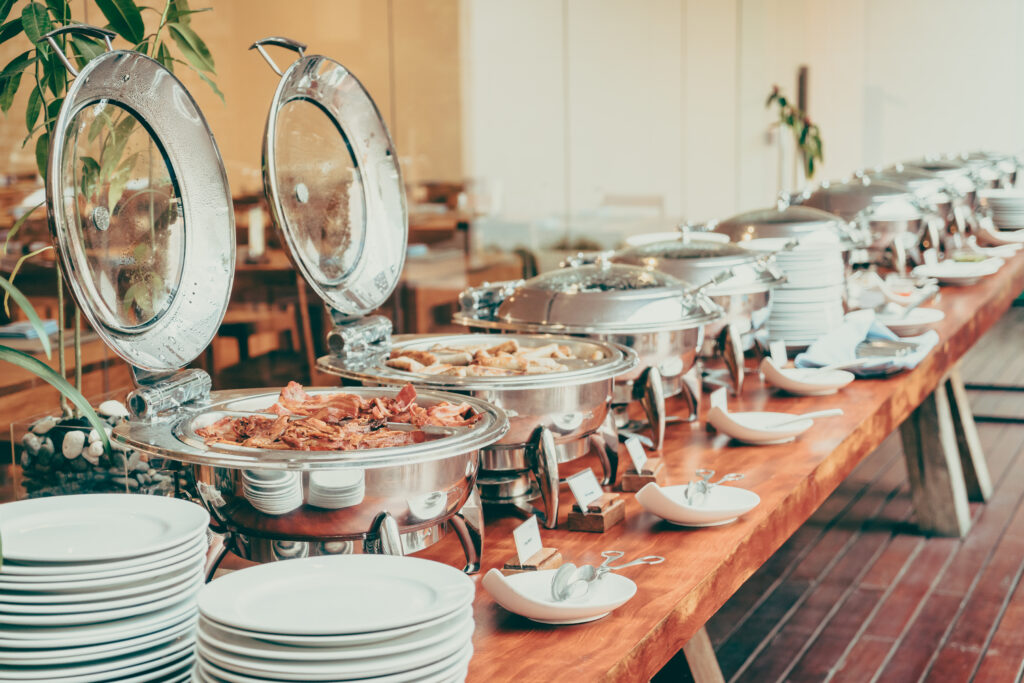
The goal is to ensure that guests can move comfortably through the buffet area without long waits or crowded stations.
Strategic placement of dishes also helps distribute traffic evenly. For example, beverage stations may be placed separately from hot food areas to prevent congestion.
The Importance of Buffet Layout
The physical layout of the buffet plays a major role in the guest experience. A well-designed buffet allows guests to navigate the space intuitively, moving from one station to another in a logical flow.
Many hotels organize buffet stations according to food categories, such as:
- bakery and pastry section
- hot dishes station
- egg and cooking station
- fresh fruit and salad area
- beverage and coffee station
This arrangement not only improves convenience but also enhances visual presentation. Guests can immediately see the variety of options available, creating a sense of abundance and hospitality.
Presentation and Visual Appeal
Even though breakfast buffets focus on efficiency and volume, presentation remains an important factor.
The visual arrangement of food influences how guests perceive freshness and quality. Carefully organized displays, attractive serving platters, and neatly arranged dishes can elevate the overall dining experience.

Hotels often pay attention to details such as:
- uniform placement of plates and bowls
- organized buffet counters
- clean and elegant table settings
- coordinated serving ware
These details contribute to an atmosphere that feels welcoming and refined rather than purely functional.
Maintaining Quality Throughout Service
One of the biggest challenges of buffet dining is maintaining consistent quality as service continues. Unlike à la carte restaurants where dishes are prepared individually, buffet items must remain appealing over time.
To address this, hospitality teams rely on several strategies:
- frequent replenishment in smaller batches
- temperature-controlled serving equipment
- attentive staff monitoring buffet stations
These practices help ensure that guests arriving later in the breakfast period enjoy the same quality as those who arrive early.
Behind the Scenes: Early Morning Preparation
Long before the first guests enter the dining room, hotel kitchen teams are already hard at work. Breakfast preparation often begins before sunrise.
Bakers prepare fresh pastries, chefs cook hot dishes, and service teams arrange buffet stations with precision.
This early preparation ensures that everything is ready when guests begin arriving. The coordination between kitchen staff and front-of-house teams is essential to delivering a seamless experience.
Creating a Comfortable Morning Atmosphere
Beyond the food itself, the atmosphere of the breakfast area plays an important role in shaping the guest experience.
Soft lighting, comfortable seating, and calm morning music can help create a relaxed environment where guests feel welcome to start their day at their own pace.
Many hotels also design breakfast spaces with natural light and open layouts, allowing guests to enjoy a pleasant morning ambiance.
A Daily Ritual of Hospitality
The hotel breakfast buffet may appear simple on the surface, but it represents a carefully orchestrated operation that combines culinary preparation, design, and service.
For hospitality teams, breakfast is more than just a routine meal—it is an opportunity to demonstrate attention to detail and genuine care for guests.
When executed thoughtfully, the breakfast buffet becomes a daily ritual of hospitality, welcoming travelers from around the world and ensuring that every day begins with a positive experience.


