
 White Ware
  Decoration
 Discover traditional Thai dishes enjoyed during Songkran
and how restaurants celebrate Thailand’s New Year through festive dining.
Songkran, Thailand’s traditional New Year festival, is widely recognized for its joyful water celebrations. Yet beyond the splashing festivities, food plays an equally meaningful role in the holiday. Across the country, families gather around shared meals that symbolize renewal, gratitude, and togetherness.
These Songkran dining traditions reflect Thailand’s rich culinary heritage while highlighting the cultural importance of hospitality and family connection.
For many households, preparing and sharing food during Songkran is just as important as participating in temple visits or water blessings.
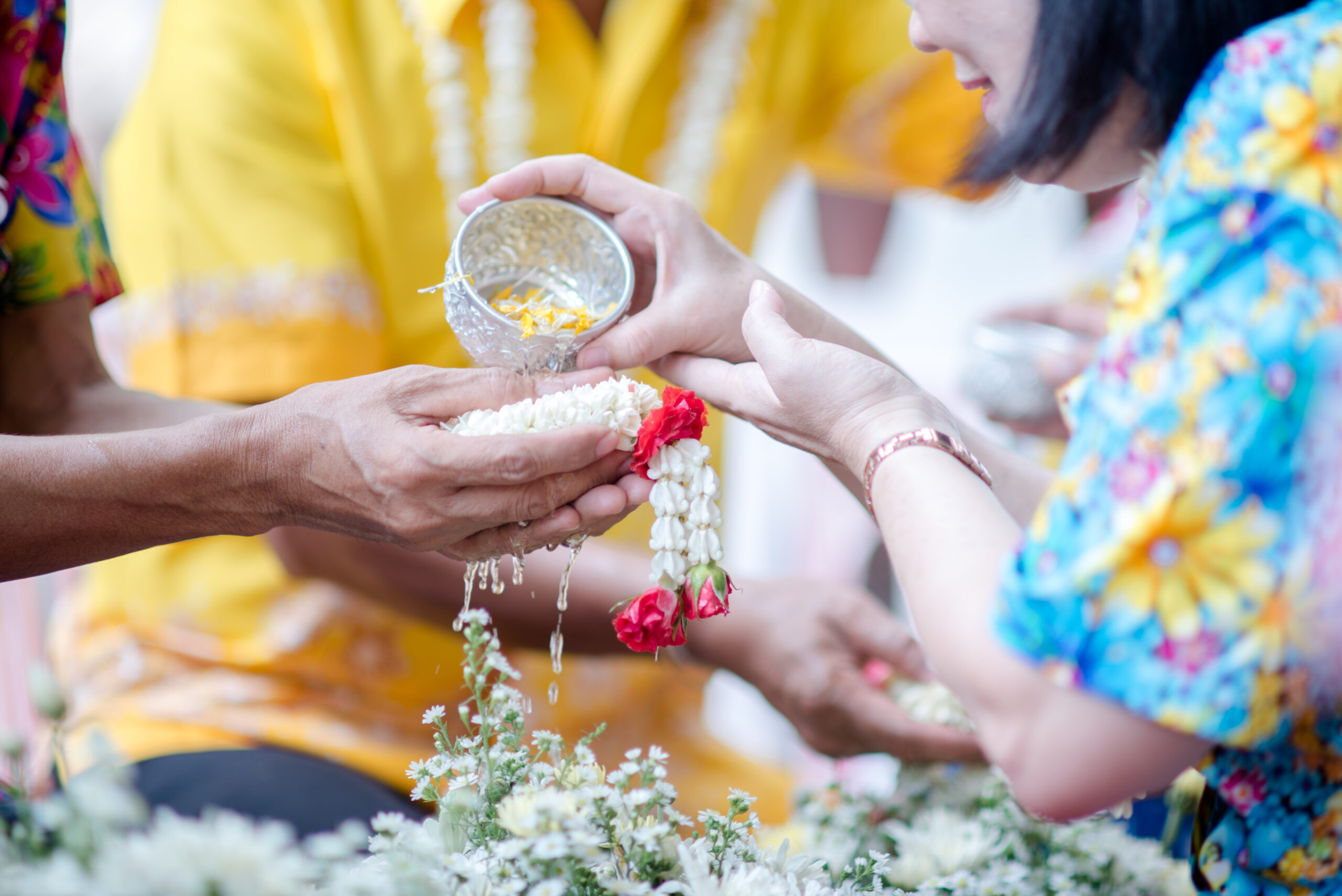
The Cultural Meaning of Songkran Meals
Songkran is traditionally a time when families reunite. People travel back to their hometowns to pay respect to elders, make merit at temples, and spend time with loved ones.
Meals prepared during this festival often reflect values deeply embedded in Thai culture:
- generosity and sharing
- seasonal freshness
- balance of flavors and textures
- respect for tradition
Large communal tables are common, allowing family members to enjoy multiple dishes together.
Traditional Dishes Associated with Songkran
Several Thai dishes are commonly associated with Songkran celebrations.
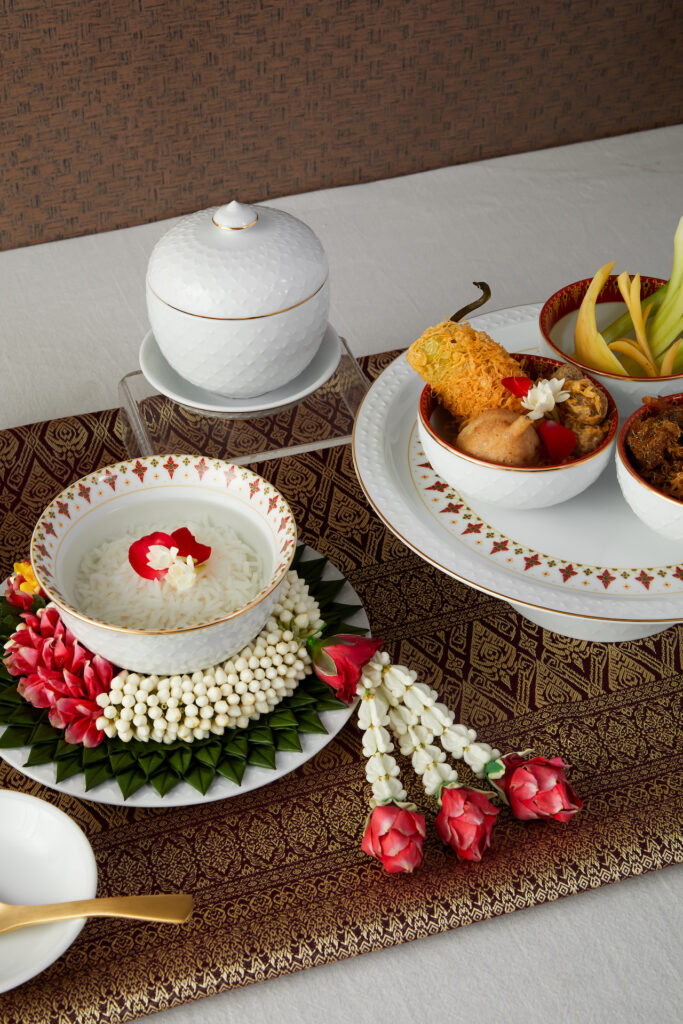
Khao Chae
One of the most iconic Songkran dishes is Khao Chae, a refined dish originally associated with the royal Thai court.
Khao Chae consists of chilled jasmine rice served in fragrant jasmine-scented water, accompanied by a variety of savory side dishes such as:
- sweet shredded pork
- fried shrimp paste balls
- stuffed peppers
- caramelized radish
The refreshing nature of the dish makes it particularly suitable for Thailand’s hot April weather.

Seasonal Curries and Stir-Fries
Songkran meals often include a variety of classic Thai dishes prepared with fresh herbs and spices. These may include coconut-based curries, stir-fried vegetables, and aromatic soups.
Because many families cook together during the holiday, the meal often reflects the collective effort of multiple generations.

Traditional Thai Desserts
Desserts also hold an important place in Songkran dining. Sweet treats made with coconut milk, palm sugar, and tropical fruits provide a satisfying conclusion to the meal.
Popular examples include mango sticky rice, coconut puddings, and delicate Thai sweets shaped like flowers.
Songkran Dining in Modern Restaurants
Today, many restaurants and hotels across Thailand celebrate Songkran by offering seasonal menus inspired by traditional dishes.
Chefs reinterpret familiar flavors through contemporary techniques and presentation styles. While the ingredients remain rooted in Thai culinary heritage, the dining experience often reflects modern gastronomy.
These reinterpretations allow restaurants to preserve cultural traditions while introducing creative culinary perspectives.
Dining as a Celebration of Togetherness
Ultimately, Songkran dining traditions remind us that food is central to cultural celebration. Whether enjoyed at home with family or in restaurants offering festive menus, the shared table represents unity, gratitude, and renewal.
During Songkran, the act of gathering around a meal becomes more than just dining—it becomes a way of honoring tradition and strengthening connections between generations.


